

What is an AI Receptionist?
An AI receptionist is a type of virtual assistant that uses artificial intelligence to complete a variety of tasks that a human receptionist normally would, but with greater scale and consistency.
Most systems today are generally voice-based, and they are designed to understand natural language, respond conversationally, and take action in real time. They can:
- Answer and route incoming calls
- Schedule or reschedule appointments
- Capture and qualify leads
- Handle FAQs with accurate, consistent responses
- Send follow-up messages or booking links
- Provide personalized service using CRM data
- Operate 24/7 without breaks or backlogs
As businesses grow more comfortable with AI handling routine interactions, AI receptionists are becoming a practical way to reduce missed calls, improve customer experience, and free staff from repetitive work.
Why AI Receptionists Are Growing Across Industries
Front-desk operations exist in nearly every sector, from healthcare clinics to staffing agencies. And they each deal with similar problems: high call volume, low staffing coverage, and rising customer expectations.
With AI receptionists running on natural language processing and machine learning, they naturally adapt well to different industries:
Healthcare & Wellness Clinics
 (
(- Book and confirm appointments
- Answer insurance or service questions
- Reduce call wait times
- Provide multilingual support
- Recognize returning patients
Healthcare teams often experience call surges during opening hours. By easing workflow congestion, AI empowers administrative teams to prioritize in-person care delivery.
Hospitality & Service Businesses
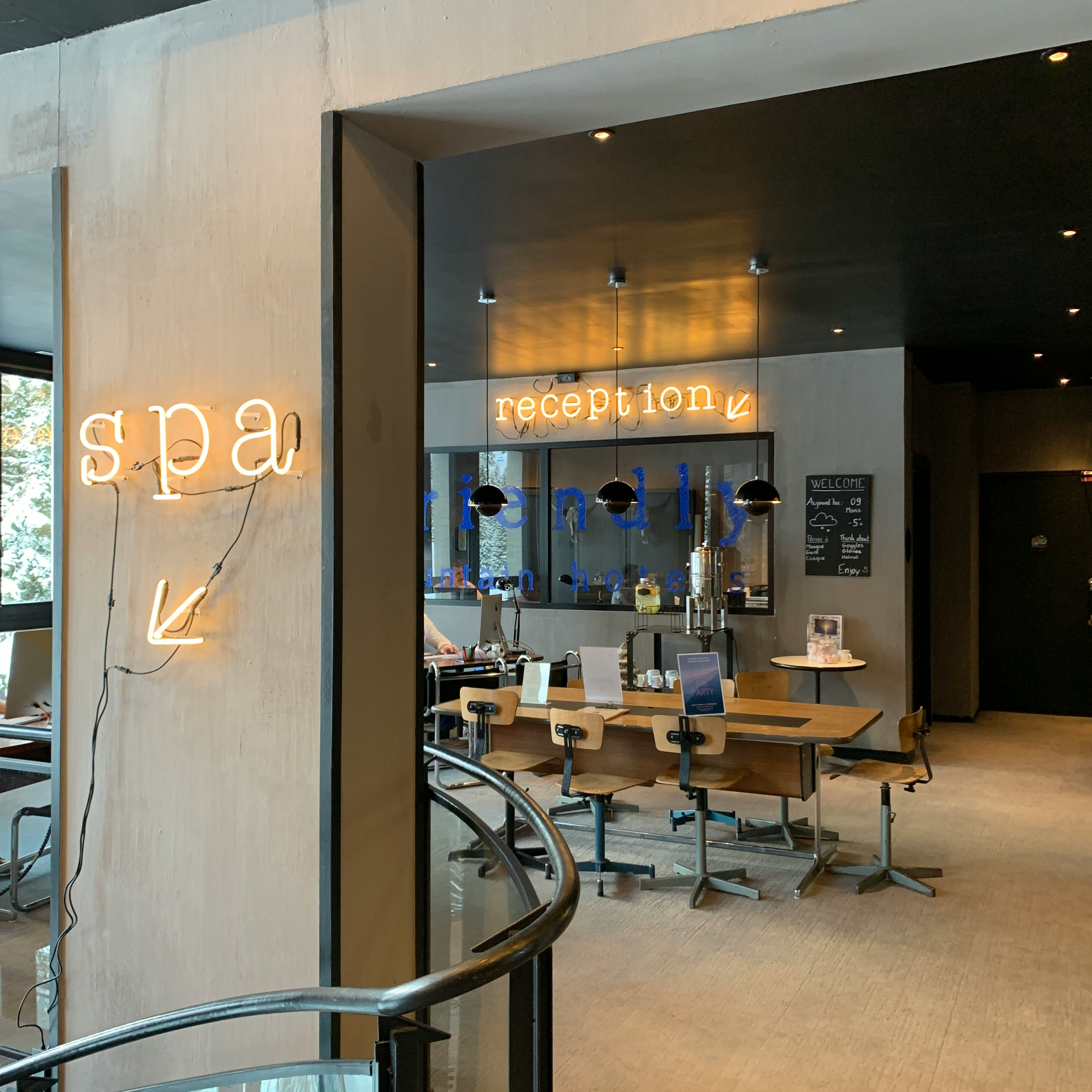 (
(Hotels, salons, spas, and retail brands rely heavily on booking calls. AI receptionists:
- Handle after-hours bookings
- Send reminders or directions
- Manage changes and cancellations
- Follow strict business rules or policies
AI stops revenue loss from missed calls, especially during peak times.
Professional Services & Small Businesses
 (
(For legal, financial, real estate, and home-service teams:
- Lead capture
- Initial intake
- Call screening and routing
- Appointment scheduling
- Answering common questions
This is often where AI receptionists help most: keeping operations moving without needing additional staff.
Staffing Agencies & High-Volume Recruiting Teams
 (
(This space is growing quickly. Interest and call volume is unpredictable, applicants call for updates, and often respond after-hours.
AI receptionists support agencies by:
- Answering calls from candidates or clients
- Routing inquiries to the correct recruiter
- Providing status updates (once connected to ATS or CRM)
- Capturing new applicant information
- Reducing the workload on ops teams
Some teams also pair an AI receptionist with conversational AI interview agents-similar to tools used in AI recruiting platforms like HeyMilo-to create an end-to-end experience. Candidates can call in, schedule an interview, complete a voice screening, and get updates faster.
Every provider solves a slightly different operational problem.
How AI Receptionists Work Behind the Scenes
Despite the wide range of use cases, most AI receptionists operate using the same core components:
1. Natural Language Understanding (NLU)
This is what allows AI receptionists to understand callers, even with accents, background noise, or casual phrasing.
2. Real-Time Decisioning
Based on context like caller history, CRM data, business rules, the AI decides what to do next (route, book, answer, escalate).
3. Action Execution
The system performs tasks like scheduling, sending text confirmations, logging call summaries, or initiating a call transfer.
4. Integrations
Top solutions connect with:
- CRM platforms
- Scheduling systems
- Phone or VoIP tools
- Ticketing systems
This is how service becomes consistent and personalized, instead of generic or scripted.
The Human Side: Why Tone, Implementation, and Clarity Matter
Some teams worry that callers may become frustrated when interacting with automated or AI systems. And research supports taking that concern seriously.
A study published in BMJ Family Medicine and Community Health found that in healthcare environments, poorly implemented digital tools-including early forms of automated triage-sometimes increased aggression toward staff. This isn’t because of the technology itself, but because callers felt confused, dismissed, or unsure where their request was going.
What this actually shows is that the issue isn’t automation, it’s unclear workflows.
When the transition from human to AI isn’t smooth or when callers aren’t sure what will happen next, frustration builds.
Modern AI receptionists solve this through:
- Natural, conversational tone
- Clear explanations (“Let me confirm that for you…”)
- Smooth escalation to a human when needed
- Faster responses than traditional phone trees
- Context-aware routing
- Consistency that reduces caller uncertainty
So rather than replacing receptionists, today’s AI tools support them by reducing repetitive calls and ensuring people get where they need to go quickly, lowering tension instead of creating it.
Key Features of Modern AI Receptionists
While each platform offers unique tools, most high-performing AI receptionists share similar capabilities:
1. 24/7 Availability
Never missing phone calls is one of the biggest reasons small and large teams adopt AI receptionists.
2. Context-Aware Call Routing
Calls can be routed based on:
- Time of day
- Caller history
- Department
- Business rules
- Urgency or keywords
3. Intelligent Scheduling
Many solutions allow:
- Online booking
- Rescheduling
- Cancellations
- Provider matching
- Automated follow-ups
4. Natural Speech & Multilingual Support
Higher-end platforms use voice AI that sounds conversational, not robotic, and supports multiple languages.
5. Lead Capture & Qualification
AI handles intake questions and passes qualified leads directly to the right team.
6. Call Summaries, Call Recording & Transcripts
Summaries help with documentation, follow-up, and analytics.
7. Integration With Existing Systems
From CRMs to ATS to phone systems, integrations allow AI receptionists to act on real business data.
8. Real-Time Monitoring & Analytics
Teams can review:
- Call volume
- Missed call prevention
- Common questions
- Conversion rates
- Response times
This makes front-desk operations measurable for the first time.
The Benefits of AI Receptionists for Growing Teams
For many organizations, they function as the backbone of daily operations, especially when call volumes surge or staff resources are tight. The benefits show up quickly:
Reduced Missed Calls and Faster Responses
Most callers hang up within 30–45 seconds if they’re left waiting. AI ensures every call is answered instantly, even during peak hours or after closing time. This prevents lost leads, frustrated customers, and overwhelmed staff.
Consistent Service, Every Time
Human receptionists juggle multiple tasks at once. AI receptionists give every caller the same attention, tone, and clarity, no rush, no backlog, no inconsistency. This consistency leads to better customer experience and more predictable front-desk operations.
Lower Operational Costs
Instead of hiring extra staff during busy seasons or late evenings, AI can handle the overflow. Many businesses, clinics, salons, law firms, real estate teams, and staffing agencies-see cost savings within the first few weeks.
Better Workflows for Human Teams
By handling the repetitive tasks, AI receptionists free employees to focus on complex, human-only work: client relationships, onsite operations, specialized tasks, or deeper customer support.
This also reduces employee burnout and work stress-two issues that nearly every front desk or administrative team faces.
Common Misconceptions About AI Receptionists
Like any emerging technology, AI receptionists come with misconceptions. Clearing these up helps teams make better decisions.
“AI receptionists sound robotic.”
Modern voice AI is conversational, natural, and able to understand context. Most callers don’t realize they’re speaking with an automated system.
“AI will replace our employees.”
AI receptionists handle overflow and repetitive tasks, not the relationship-building side of work. Businesses that adopt AI typically support more human roles, not fewer.
“It’s too complicated to set up.”
Most platforms today use templates, pre-trained voice models, and simple integrations. Many AI receptionists can be configured in minutes.
“We’ll lose our brand voice.”
You can customize greetings, tone, business rules, scripts, escalation paths, terminology, and more to make the AI feel like a seamless extension of your team.
When Should a Business Consider Using an AI Receptionist?
Teams typically introduce AI receptionists when they notice one or more patterns:
- Missed calls are becoming frequent
- Customers complain about long hold times
- Staff feel overwhelmed by repetitive inquiries
- Booking appointments takes up too much time
- After-hours calls result in lost revenue
- Seasonal demand is inconsistent
- Teams want more accurate call data
Small businesses adopt AI receptionists for availability and cost efficiency.
Enterprises adopt them for consistency, scalability, and reporting.
Staffing agencies adopt them because candidate communication never stops.
Whatever the reason, their goals are to make sure the front desk runs smoothly, even when people are busy.
The Future of AI Receptionists
The next wave of AI receptionists goes well beyond answering calls.
1. More Human-Like Conversations
Voice AI is improving rapidly, with better pacing, interruptions, and emotional cues. The goal isn’t to mimic humans, it’s to make the experience calm, clear, and easy.
2. Deeper Integration Across Tools
AI receptionists will increasingly sync with CRMs, booking systems, ATS platforms, customer portals, and internal communication tools. Calls won’t just be “handled”, they’ll be fully connected to the business workflow.
3. Cross-Channel Coverage (Voice + SMS + WhatsApp)
The future isn’t voice-only. The best systems already combine voice, text messaging, WhatsApp, and email for a seamless caller experience.
4. Domain-Specific Agents
Industries are moving toward specialized AI receptionists, like those in healthcare, hospitality, home services, recruitment, and tech support. Each follows different rules, policies, and workflows.
5. Proactive Assistance
Instead of waiting for calls, AI receptionists will soon assist with:
- Reminders
- Follow-ups
- Route planning
- Request updates
- Queue management
Front-desk operations will shift from reactive to proactive.
Final Thoughts
AI receptionists have quickly become one of the most practical uses of conversational AI. They answer every call, reduce friction, and offer the kind of consistency humans simply can’t maintain when juggling multiple tasks.
And while the technology is powerful, its purpose is simple:
help teams do their best work without being buried by repetitive tasks.
Whether it’s a clinic managing appointment surges, a salon booking after-hours clients, a small business trying not to miss leads, or a staffing agency handling nonstop applicant calls, AI receptionists give organizations a reliable, always-on front desk.
Ready to Transform Your Hiring?
Book a demo to see how HeyMilo can streamline your recruiting process.
Ready to transform your hiring?
See how HeyMilo can help you screen candidates faster and more effectively.